








Mobility Innovation Summit 2027
Topics
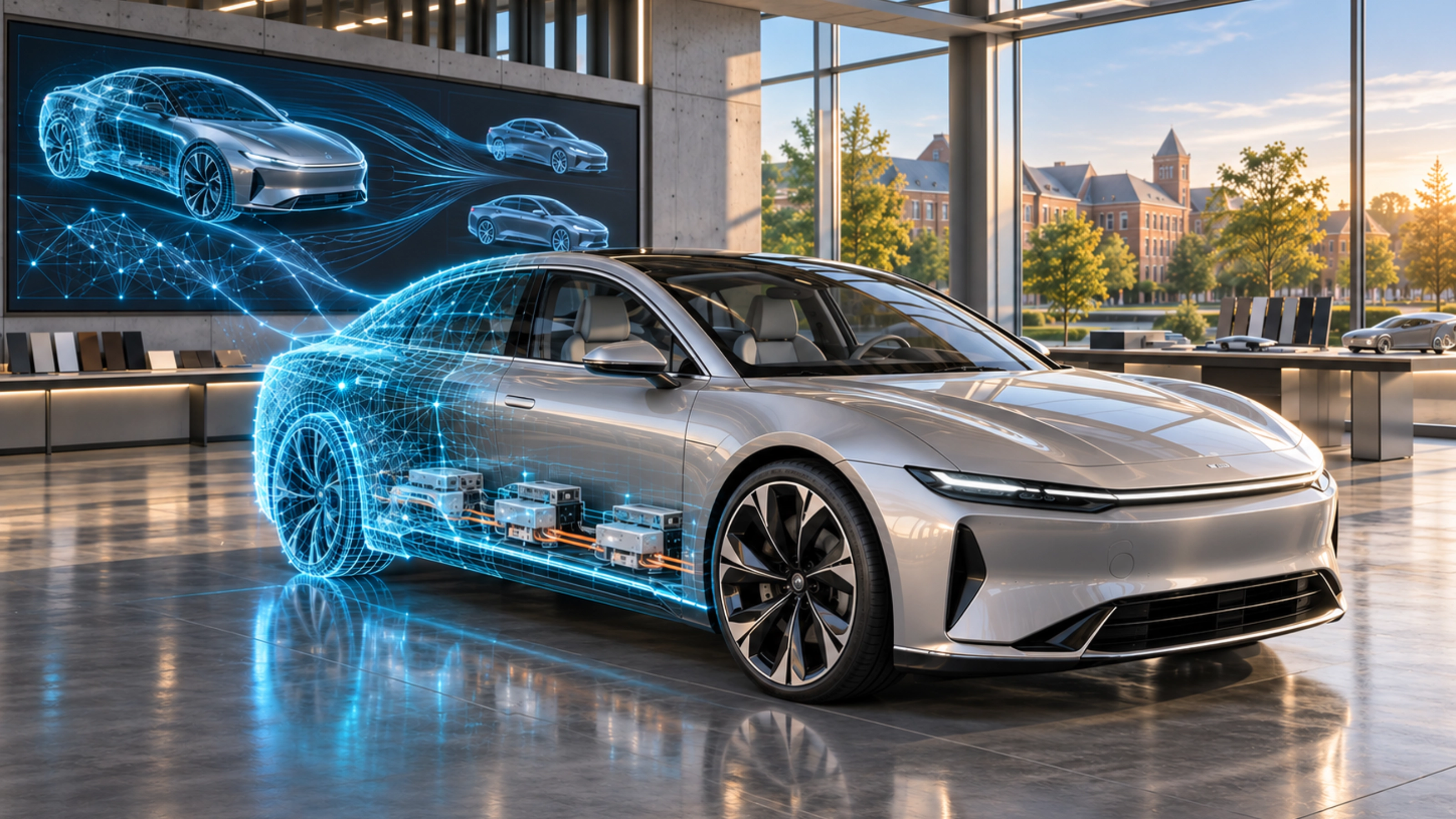
Artificial intelligence is changing how engineers develop software-defined vehicles and what those vehicles can do. This session focuses on the vehicle itself. It shows how modern software architectures and AI techniques enable new features and reshape the development process. Speakers working in AI and software will discuss the key technologies, their practical applications and the next steps towards AI-developed vehicles.
Connectivity, cloud services and over-the-air updates are all part of vehicle digitalisation. Linking vehicles to external infrastructure brings these technologies together in a wider digital mobility ecosystem. When vehicles connect to the power grid, reliability and security are critical. The vehicle, the communications network, cloud services and charging infrastructure must keep working together even during disruptions or attacks. This session explores the vehicle’s role in both digital networks and energy systems.
Autonomous vehicles are becoming more visible on our roads, with implications for how people travel and how goods reach their destinations. This session examines the latest technologies, new vehicle concepts and smart services for passenger and freight transport. Which solutions can operators put into practice today? What opportunities do they offer, and what challenges remain? The session explores how automated and autonomous vehicles could make transport safer, more efficient and more sustainable.
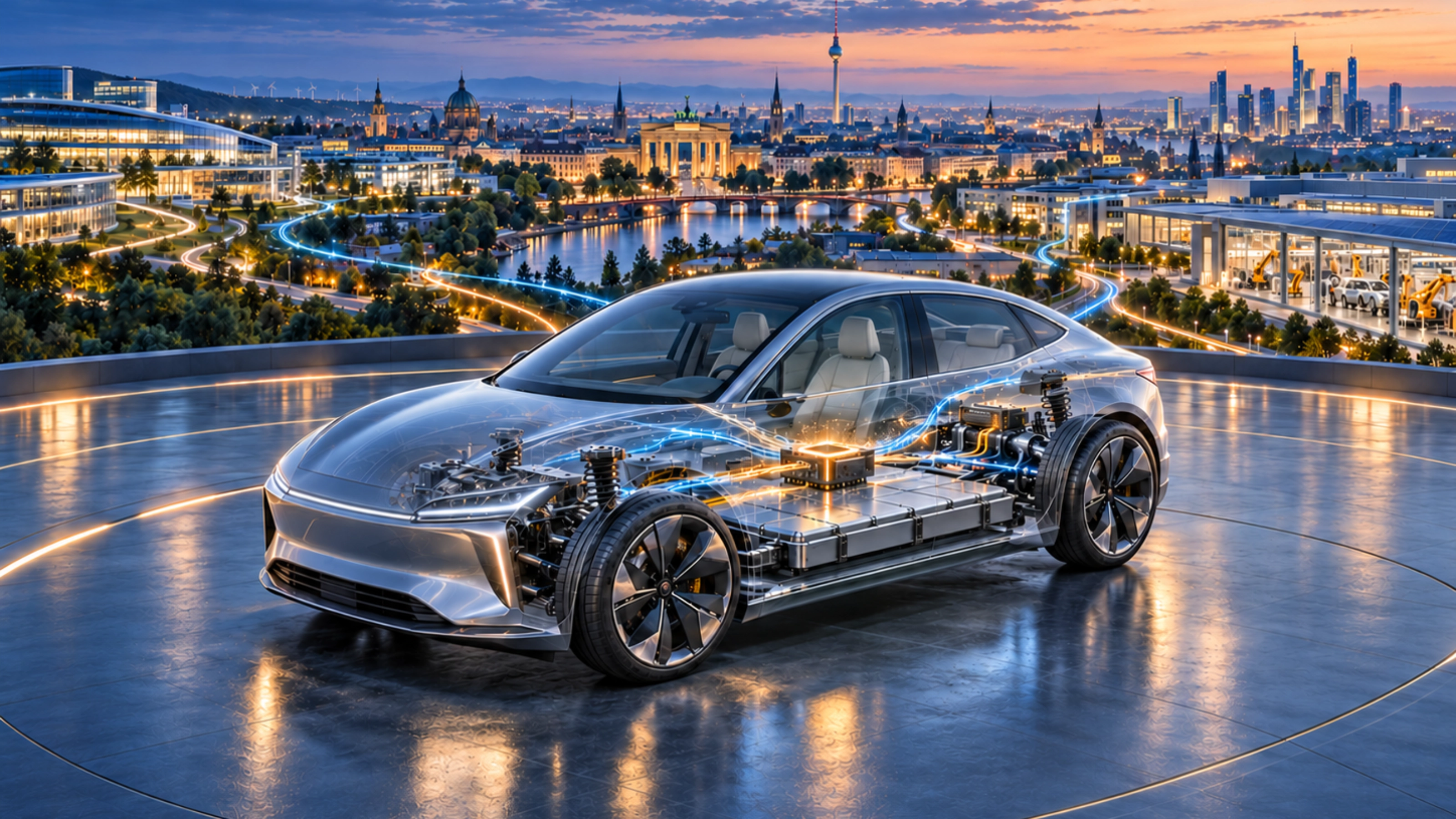
The automotive industry is at a turning point. Regional market requirements, geopolitical tensions and diverging regulations are challenging the long-standing idea of a ‘world car’. Manufacturers need to combine global economies of scale with vehicles that meet local market needs and safety requirements.
Customer expectations are changing too. Buyers increasingly see vehicles as software-defined products that can evolve throughout their lives. They expect manufacturers to update features throughout a vehicle’s life cycle, provide continuous connectivity and offer digital experiences tailored to the way they use the vehicle.
How should manufacturers design future vehicles and their underlying platforms so they can develop products quickly, keep innovating and control costs in an increasingly fragmented global market?
How can the transport sector make the transition to climate-neutral mobility? This session examines battery innovations, highly efficient electric vehicles, hydrogen powertrains and e-fuels. Leading experts will discuss recent technological advances, explain how to improve the efficiency of the vehicle as a whole and consider what regulatory framework the transport sector needs to make the transition.
Artificial intelligence and robotics are changing how companies work across the automotive value chain. AI speeds up software and product development, shortens innovation cycles and helps companies operate more efficiently. Humanoid robots are opening up new possibilities for flexible, intelligent production. The session uses practical examples to show how companies can use AI and robotics to work faster, improve efficiency and compete more effectively.